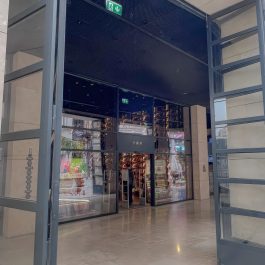
Description
Internal doors, also known as interior doors, are doors used inside a building to separate different rooms or spaces. Unlike external doors, which are designed to withstand outdoor weather conditions, internal doors are primarily focused on privacy, sound reduction, and enhancing the aesthetic appeal of the interiors. They come in various styles, materials, and finishes to complement the interior design of a home or commercial space.
Key Features of Internal Doors:
Privacy: Internal doors provide separation between rooms, offering privacy in areas like bedrooms, bathrooms, and offices.
Sound Insulation: High-quality internal doors can reduce noise transmission between rooms, improving comfort and concentration in living or working spaces.
Aesthetic Variety: Internal doors are available in a wide range of designs, including minimalist, traditional, and contemporary styles. They can be finished with paint, veneer, laminate, or glass inserts to match the interior decor.
Materials:
Wood: Solid wood, engineered wood, or MDF (medium-density fiberboard) are commonly used for internal doors. Wood adds warmth and can be painted or stained to suit any style.
Glass: Glass internal doors, either full glass or with glass inserts, allow for light flow between rooms while maintaining separation.
Aluminium: Aluminium-framed internal doors offer a modern, sleek look and can be combined with glass for a contemporary design.
Types of Internal Doors:
Hinged Doors: The most common type, these doors swing open on hinges, either in a single or double configuration.
Sliding Doors: Ideal for space-saving, sliding doors move along a track, often used in closets or to partition open spaces.
Bifold Doors: These doors fold in sections and are great for closets or connecting rooms where wide openings are desired.
Pocket Doors: A type of sliding door that disappears into the wall when opened, saving space and offering a clean, seamless look.
Fire-Rated Options: Some internal doors are fire-rated, designed to resist the spread of fire and smoke for a certain period, often used in commercial buildings or as part of safety regulations in homes.
Common Uses:
Bedroom Doors: For privacy and noise control.
Bathroom Doors: Typically chosen for moisture resistance and privacy.
Living Room or Office Doors: Often designed for aesthetics and light flow, using options like glass panels.
Closet and Storage Room Doors: Typically sliding, bifold, or hinged doors for functional purposes.