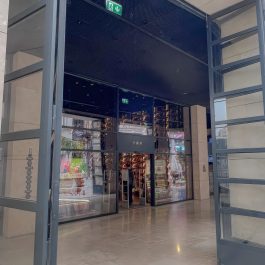
Description
Bifold doors, also known as folding or accordion doors, are a type of door system that consists of multiple panels hinged together, which fold and stack neatly to one side when opened. These doors are popular for creating large openings, seamlessly connecting indoor and outdoor spaces, and saving space compared to traditional swinging doors. Bifold doors are commonly used in both residential and commercial settings.
Key Features of Bifold Doors:
Space Efficiency: When opened, the door panels fold onto themselves and stack against the wall, taking up minimal space. This makes them an ideal solution for areas with limited room.
Seamless Indoor-Outdoor Transition: Bifold doors can open up an entire wall, providing a smooth transition between indoor living spaces and outdoor patios, gardens, or balconies.
Maximizing Natural Light: With large glass panels, bifold doors allow for more natural light to enter the room, brightening up interiors and providing unobstructed views of the outdoors.
Durability: Bifold doors made from aluminium are highly durable, weather-resistant, and do not warp or rust, making them suitable for both internal and external applications. Other materials like timber and uPVC are also available, depending on preference and style.
Flexibility: Bifold doors can be custom-made to include two to eight panels or more, depending on the size of the opening. The doors can open in one direction or split to fold on both sides, providing flexibility based on space requirements.
Energy Efficiency: Modern bifold doors can be fitted with double or triple glazing and thermal breaks, helping to improve insulation and reduce heat loss, which is important for maintaining energy efficiency.
Security: These doors often come with multi-point locking systems and toughened glass, ensuring a high level of security even for large openings.
Smooth Operation: High-quality bifold doors use advanced tracking systems with rollers to ensure that the panels glide smoothly and effortlessly along the track, making opening and closing easy.
Types of Bifold Doors:
Internal Bifold Doors: Used to partition interior spaces, such as separating a dining room from a living room, or creating flexible workspaces. These doors are usually lighter and may have fewer panels.
External Bifold Doors: Typically made from aluminium or timber, external bifold doors connect indoor spaces to outdoor areas like gardens, patios, or balconies. They are designed for weather resistance and durability.
Frameless Bifold Doors: A minimalist design with little or no visible framing, these doors maximize the glass surface, offering unobstructed views and a modern look.
Top-Hung or Bottom-Hung: Top-hung bifold doors hang from a top track, providing smooth operation without floor obstruction. Bottom-hung doors rely on a bottom track for stability, making installation easier in certain spaces.
Applications:
Homes: Often used in living rooms, kitchens, and conservatories to create wide openings that merge indoor and outdoor living spaces.
Restaurants and Cafes: Bifold doors are commonly used to open up entire walls, offering an inviting atmosphere and maximizing seating areas for outdoor dining.
Offices: Bifold doors can divide meeting rooms or workspaces, allowing for flexible layouts and easy reconfiguration of spaces.
Retail: In shops and showrooms, bifold doors can create wide, attractive storefronts that allow customers to view products from outside.